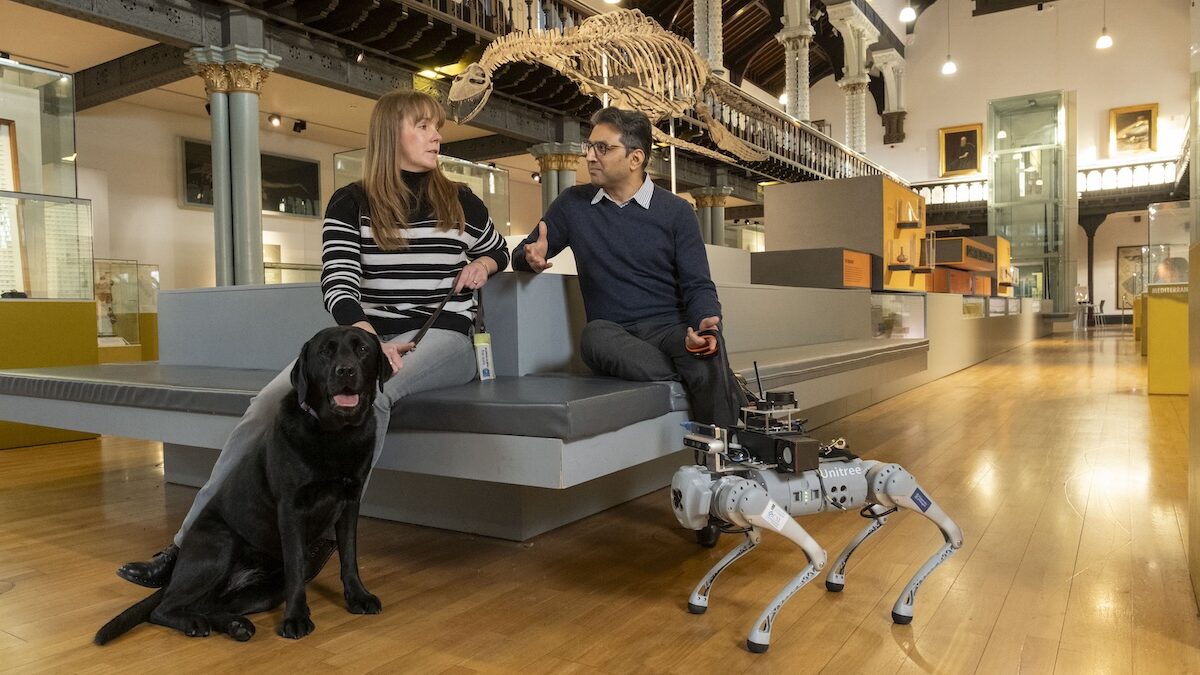
In a world where technology continues to redefine the boundaries of possibility, our four-legged friends are not exempt from the march of progress. The emergence of AI dogs is a testament to the fusion of cutting-edge technology and the timeless companionship we share with our canine counterparts. This blog aims to take you on a journey through the realm of AI dogs, exploring their potential roles, advancements, and the unique bond they forge with humans.
The Rise of AI Dogs: AI dogs are not mere robotic replicas of our furry friends but rather intelligent companions that leverage artificial intelligence to enhance their capabilities. These AI-powered canines are designed to navigate the intersections of robotics, machine learning, and natural interaction, creating a new frontier in the evolving landscape of human-animal relationships.
Companion and Service Roles: AI dogs are envisioned to serve a myriad of roles, from friendly companions to invaluable service providers. For individuals with disabilities, these robotic canines can be equipped with advanced sensors and actuators to assist with tasks such as opening doors, fetching objects, or providing stability and support. The potential benefits extend to emotional support as well, with AI dogs capable of recognizing and responding to human emotions, providing comfort in times of distress.
Artificial Intelligence, Real Emotions: One of the most fascinating aspects of AI dogs is their ability to emulate emotional responses. Through sophisticated algorithms, these robotic companions can recognize and respond to human emotions, creating a bond that goes beyond the physical. Imagine a robotic dog offering a reassuring nuzzle when it senses anxiety or playfully responding to a smile – the potential for emotional connection is truly remarkable.
Technological Marvels: The technology underpinning AI dogs is a blend of robotics, natural language processing, and computer vision. Advanced sensors allow these robotic canines to navigate their surroundings, while machine learning algorithms enable them to adapt and learn from their interactions. Voice recognition and communication capabilities add an extra layer of sophistication, making interactions with AI dogs feel remarkably natural.
Ethical Considerations: As we welcome AI dogs into our lives, it’s essential to address ethical considerations. Privacy concerns, data security, and the potential for emotional manipulation are crucial aspects that must be carefully navigated. Striking a balance between the benefits of AI dog companionship and safeguarding user rights will be a key challenge for developers and policymakers.
The Future Unleashed: Looking ahead, the future of AI dogs holds exciting possibilities. From personalized learning to predictive health monitoring, these technological marvels are poised to become integral parts of our lives. As advancements continue, AI dogs may evolve to meet diverse needs, ushering in an era where the boundary between artificial and real companionship blurs.
In conclusion, the emergence of AI dogs represents a harmonious convergence of technology and the timeless bond between humans and their canine companions. As we navigate this uncharted territory, let’s approach it with curiosity, responsible innovation, and an understanding of the profound impact these AI dogs may have on our lives. The future promises a new chapter in the age-old tale of human-canine camaraderie, where artificial intelligence enhances the extraordinary connection we share with our loyal companions.